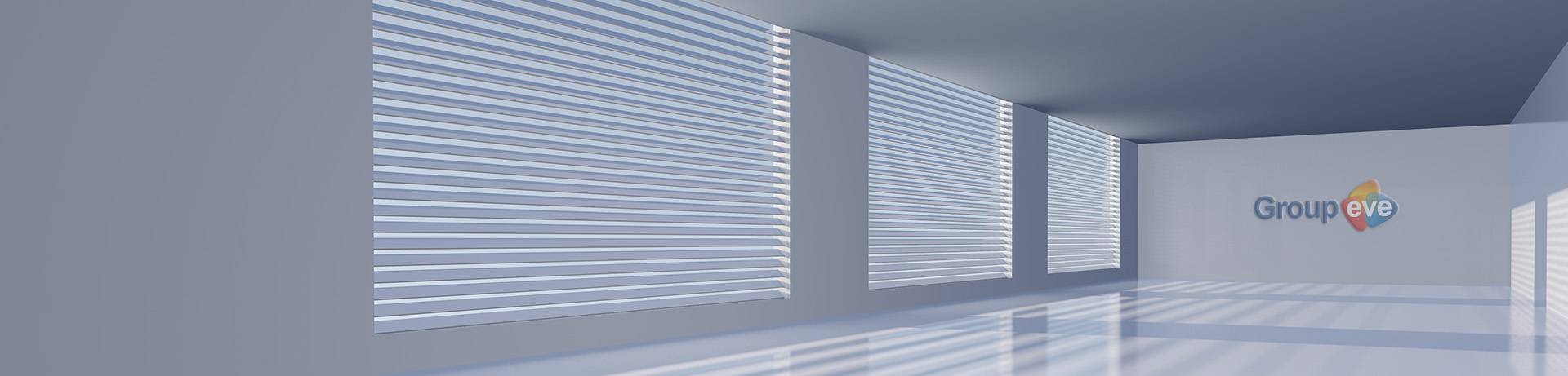
The global fiberglass sunscreen fabric market is gaining strong momentum as demand rises for durable, high-performance, and energy-efficient window covering materials. With its superior strength and stability, fiberglass sunscreen fabric has become a preferred choice for architects, contractors, and wholesalers across residential and commercial sectors.
One of the key advantages of fiberglass sunscreen fabric is its excellent dimensional stability. Unlike traditional materials, fiberglass sunscreen fabric resists stretching, shrinking, and warping, ensuring long-term performance even in challenging environments. This makes fiberglass sunscreen fabric especially suitable for large-scale roller blind systems and exterior shading applications.
In addition, fiberglass sunscreen fabric offers outstanding UV protection and heat control. By filtering sunlight while maintaining visibility, fiberglass sunscreen fabric helps reduce indoor temperatures and glare without compromising natural light. As energy efficiency becomes a global priority, fiberglass sunscreen fabric is increasingly used in office buildings, hotels, and modern homes.
From a production standpoint, high-quality fiberglass sunscreen fabric is typically coated with PVC to enhance durability, weather resistance, and ease of maintenance. Many manufacturers are also developing eco-friendly fiberglass sunscreen fabric with low-VOC coatings, aligning with green building standards and sustainability goals.
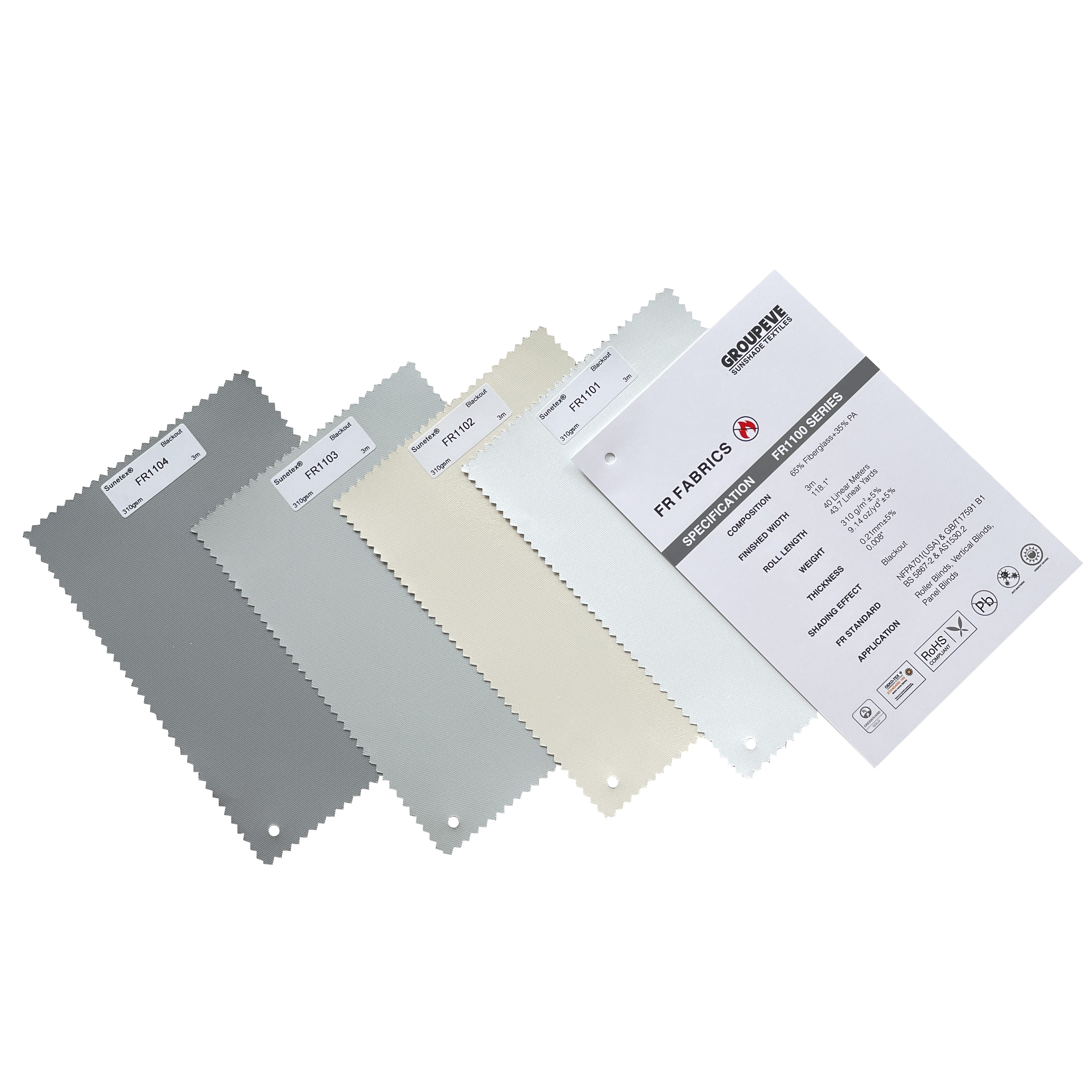
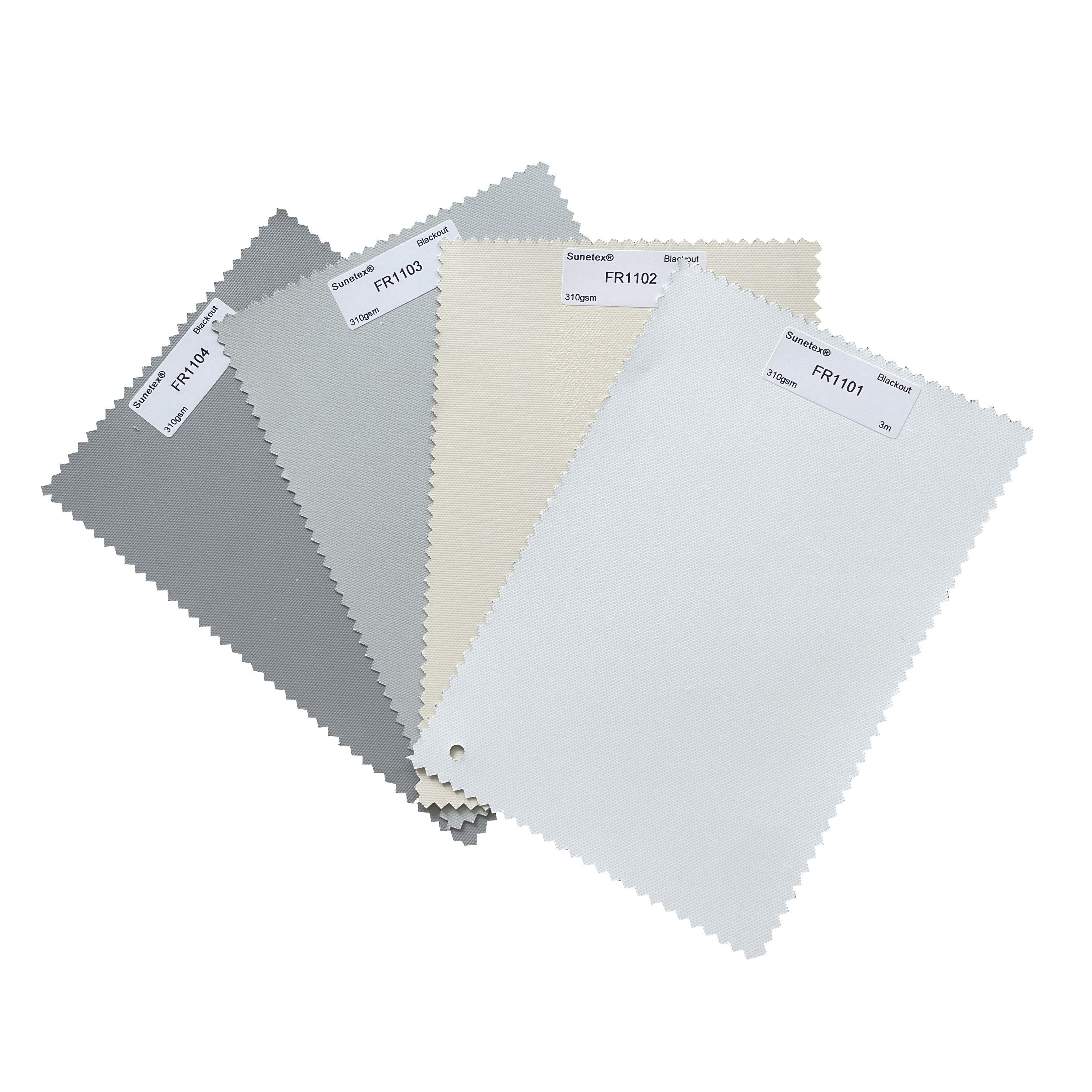
Regionally, the demand for fiberglass sunscreen fabric is growing rapidly in North America, the Middle East, Southeast Asia, and Australia. In these markets, the combination of climate conditions and modern architectural trends is driving the adoption of fiberglass sunscreen fabric in both interior and exterior shading systems.
Technological advancements are also shaping the future of the fiberglass sunscreen fabric industry. Smart shading systems integrated with automated controls are increasingly paired with premium fiberglass sunscreen fabric, offering enhanced comfort and convenience. This trend further boosts the value and application scope of fiberglass sunscreen fabric.
Price competitiveness and consistent quality remain critical factors for buyers sourcing fiberglass sunscreen fabric. Suppliers that can deliver reliable performance, a wide range of openness factors, and stable supply of fiberglass sunscreen fabric are more likely to secure long-term partnerships in the global market.
Conclusion:
With its durability, functionality, and growing market demand, fiberglass sunscreen fabric is set to play a key role in the future of window covering solutions. As innovation continues and global awareness of energy efficiency increases, the fiberglass sunscreen fabric market presents significant opportunities for industry players worldwide.
Contact Person: Judy Jia
WhatsApp/WeChat: 86-15208497699
E-mail: business@groupeve.com
Post time: Apr-21-2026